growth-hormone
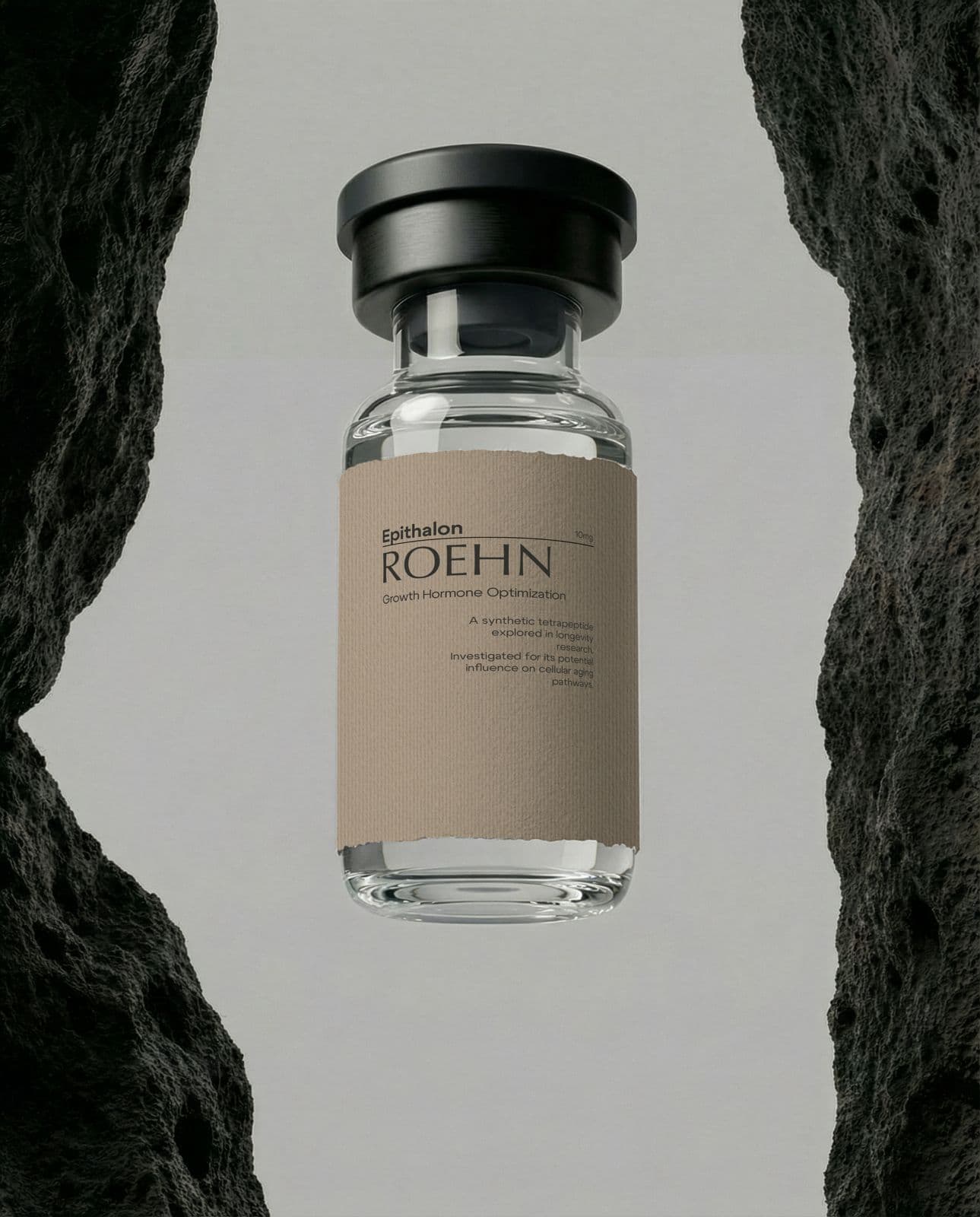
Epithalon
A synthetic tetrapeptide analogue of the pineal-derived epithalamin, investigated for its capacity to activate telomerase, restore circadian melatonin rhythms, and modulate age-related neuroendocrine decline in longevity research models.
For research and laboratory use only. Not for human consumption.
Subscribe & save: $117
Quantity
Add 1 more to save 10% per unit
Technical Data
Specifications
Technical Details
Bulk Pricing
Volume Pricing Guide
Quality Assurance
Certificate of Analysis
Certificate of Analysis
COA documentation is being prepared for this product.
Contact research@roehnrx.com for batch-specific testing data.
Research Overview
About Epithalon
Epithalon (Epitalon) is a synthetic tetrapeptide with the sequence Ala-Glu-Asp-Gly, developed as a bioregulatory analogue of epithalamin — a peptide extract of the bovine pineal gland studied extensively at the St. Petersburg Institute of Bioregulation and Gerontology. It occupies a central position in Eastern European longevity research, with several decades of accumulated preclinical and limited clinical evidence.
The primary mechanism under investigation is telomerase activation — the upregulation of the catalytic subunit hTERT that maintains telomere length at chromosome termini. Because progressive telomere shortening is a hallmark of cellular senescence, compounds capable of influencing telomere dynamics hold significant interest for aging biology. Cell culture and animal model studies have reported measurable effects on telomerase activity and replicative lifespan following epithalon administration.
Additional research has documented interactions with pineal melatonin secretion, antioxidant enzyme systems, and age-related changes in immune and neuroendocrine function. ROEHN supplies epithalon at 99% HPLC-verified purity as a lyophilized powder, supporting research protocols in gerontology, circadian biology, and cellular senescence.


