metabolic
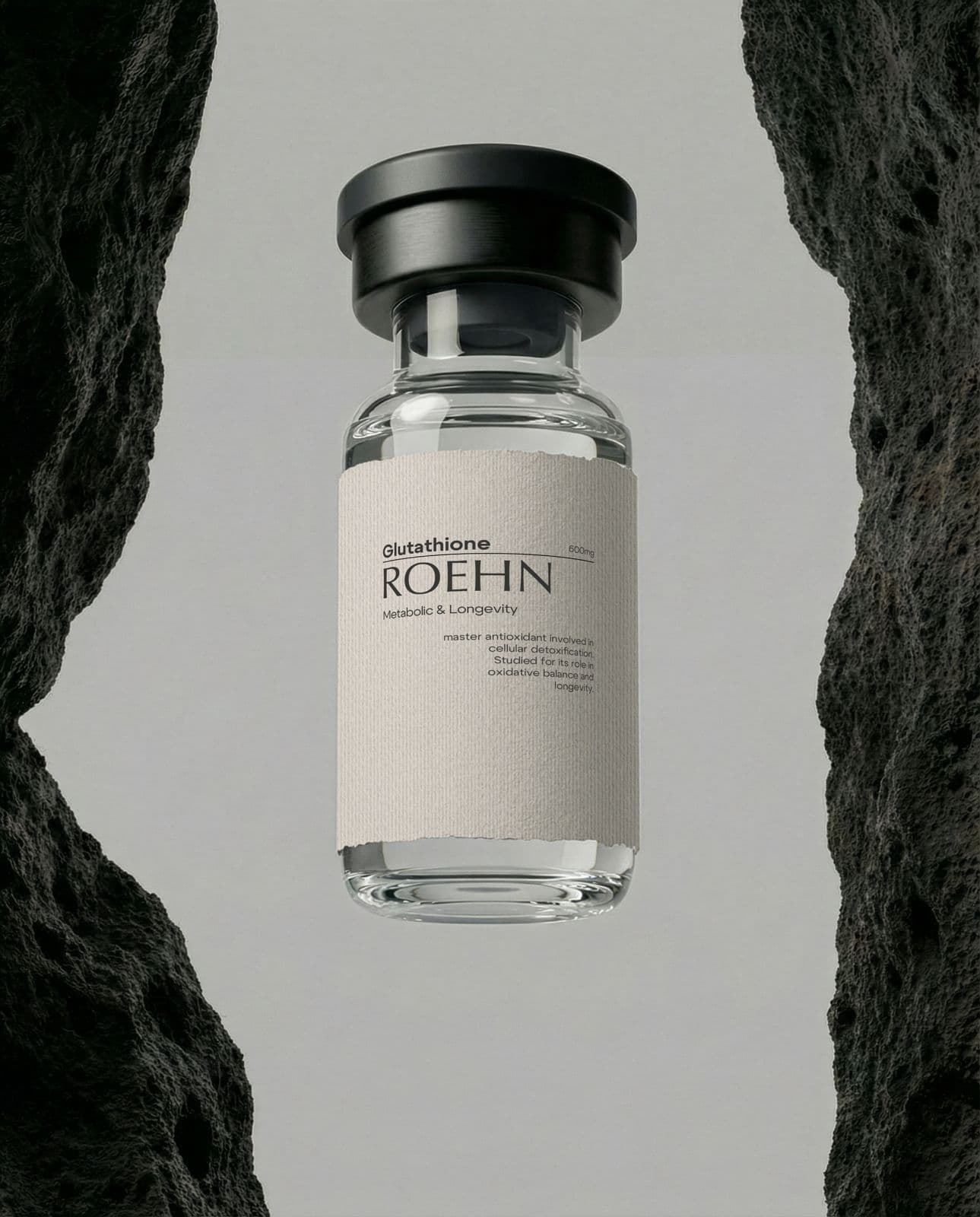
Glutathione
The predominant intracellular antioxidant and master regulator of redox homeostasis, studied for its essential roles in xenobiotic detoxification, immune defense, and protection against oxidative cellular damage.
For research and laboratory use only. Not for human consumption.
Subscribe & save: $76
Quantity
Add 1 more to save 10% per unit
Technical Data
Specifications
Technical Details
Bulk Pricing
Volume Pricing Guide
Quality Assurance
Certificate of Analysis
Certificate of Analysis
COA documentation is being prepared for this product.
Contact research@roehnrx.com for batch-specific testing data.
Research Overview
About Glutathione
Glutathione (L-γ-glutamyl-L-cysteinyl-glycine) is the most abundant non-protein thiol in mammalian cells, synthesized endogenously from glutamate, cysteine, and glycine. As the principal guardian of cellular redox balance, it directly neutralizes reactive oxygen and nitrogen species, regenerates oxidized forms of vitamins C and E, and maintains critical protein sulfhydryl groups in their functional reduced state.
The compound's role in Phase II detoxification is equally fundamental — glutathione S-transferase enzymes catalyze the conjugation of GSH with electrophilic xenobiotics, carcinogens, and drug metabolites, facilitating their elimination via mercapturic acid pathways. The liver, as the primary site of glutathione synthesis and export, makes hepatic GSH status a key parameter across toxicological and metabolic research.
Systemic glutathione levels decline with age, chronic disease burden, and environmental oxidative stressors. Parenteral administration bypasses the poor oral bioavailability of intact GSH, enabling direct tissue-level repletion. ROEHN supplies glutathione at 99% HPLC-verified purity in reduced (GSH) form as a lyophilized powder, supporting research in neurological oxidative stress, immune modulation, hepatoprotection, and metabolic syndrome biomarker studies.