stack
Recovery Stack
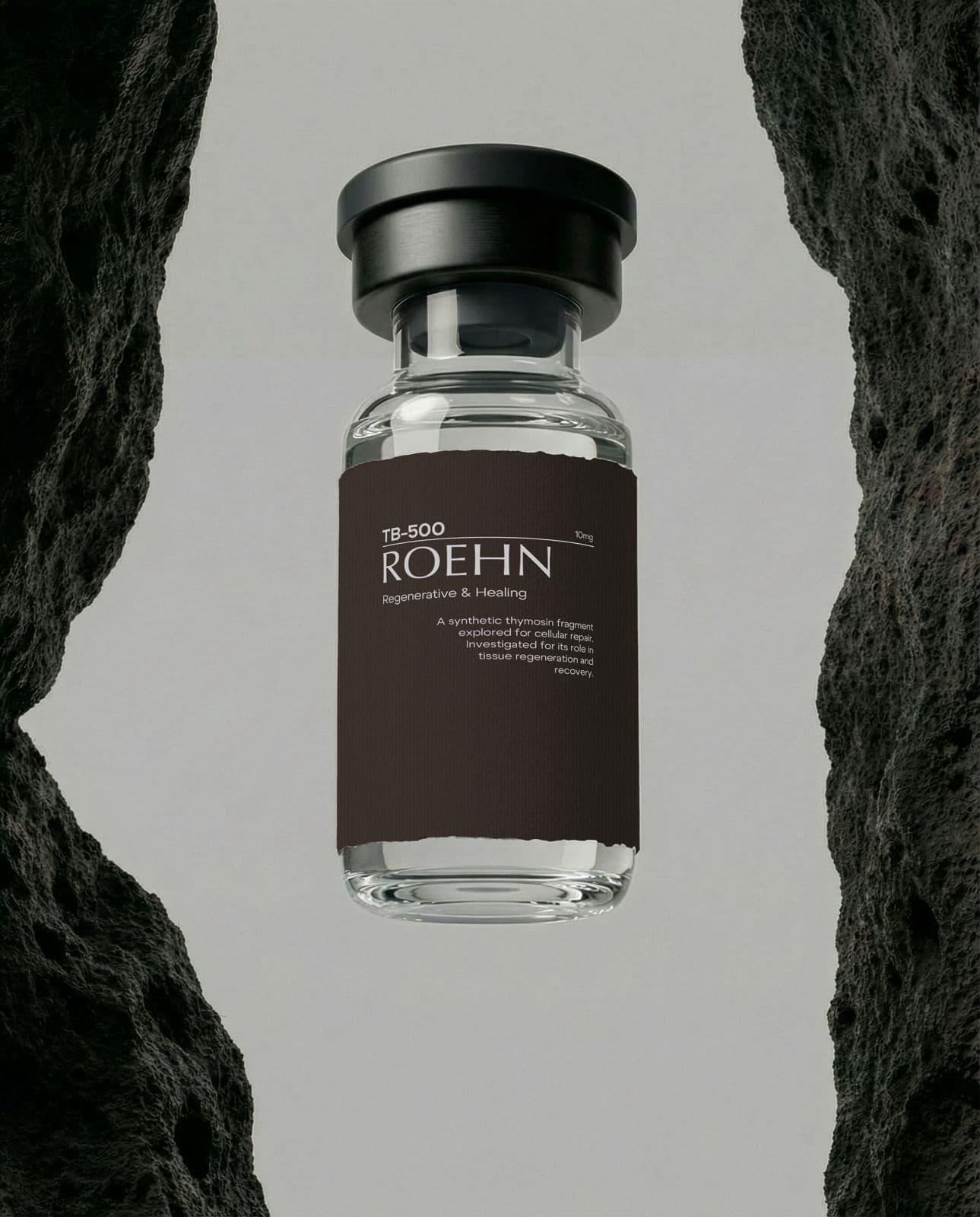
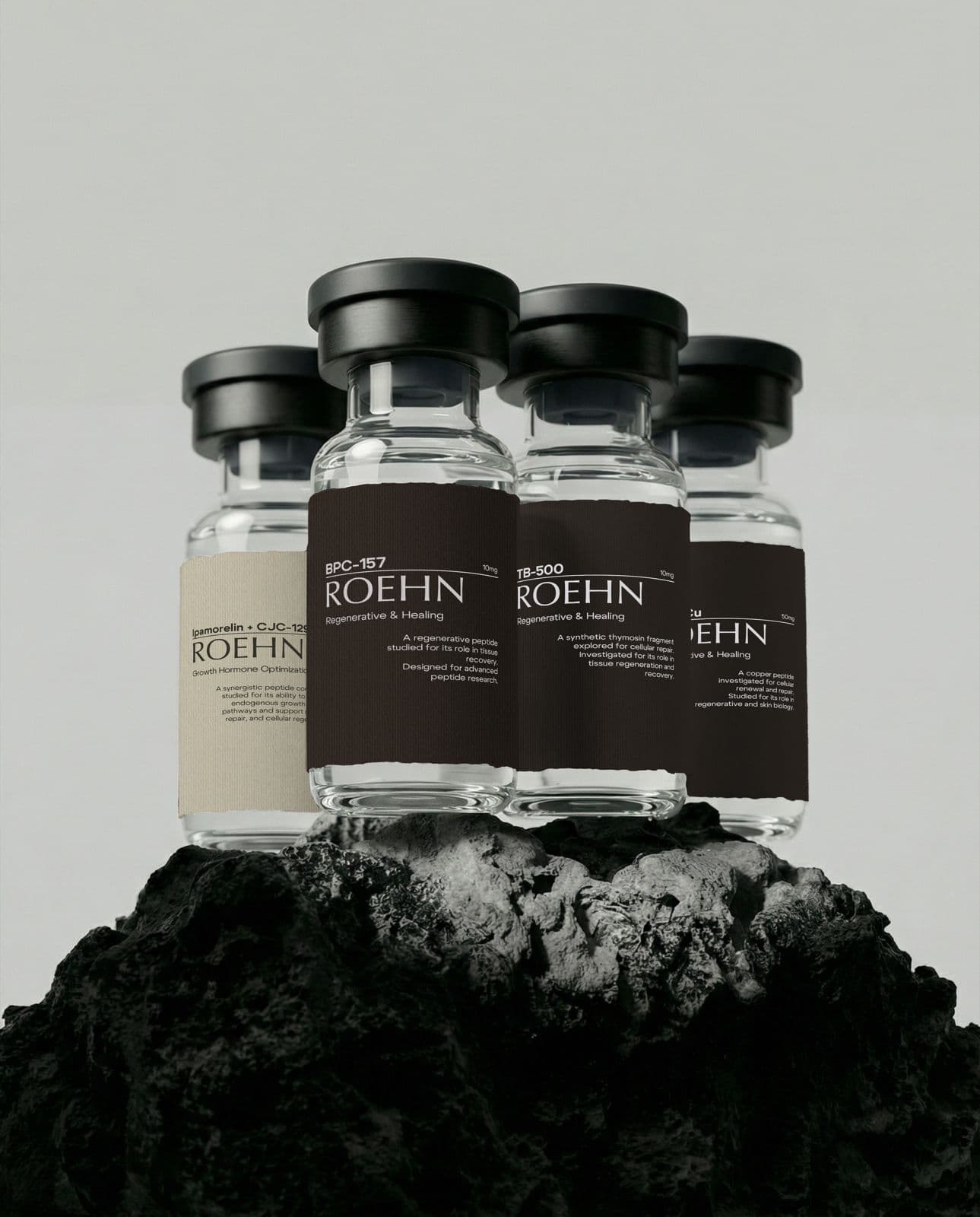
A synergistic dual-peptide stack combining BPC-157 and TB-500 for comprehensive tissue repair — engaging both growth factor signaling and actin-mediated cell migration to accelerate recovery across musculoskeletal, tendon, and soft tissue research models.
For research and laboratory use only. Not for human consumption.
Quantity
Add 1 more to save 10% per unit
Technical Data
Specifications
Technical Details
Bulk Pricing
Volume Pricing Guide
Quality Assurance
Certificate of Analysis
Certificate of Analysis
COA documentation is being prepared for this product.
Contact research@roehnrx.com for batch-specific testing data.
Research Overview
About Recovery Stack
The Recovery Stack pairs two of the most extensively characterized regenerative peptides in preclinical literature, leveraging their mechanistically complementary pathways to address the full spectrum of tissue repair biology. BPC-157 drives repair from the growth factor axis — upregulating VEGF-mediated angiogenesis, modulating nitric oxide synthase activity, and accelerating extracellular matrix deposition at injury sites. TB-500 operates through an entirely independent mechanism centered on actin sequestration and cytoskeletal reorganization, promoting the directional migration of fibroblasts, endothelial cells, and immune cells toward damaged tissue.
This dual-pathway approach reflects a key insight from regenerative biology: effective tissue repair is not a single-mechanism process. Angiogenesis without cellular recruitment is insufficient; cell migration without matrix scaffolding fails to produce durable structural restoration. By engaging both signaling cascades simultaneously, the Recovery Stack creates conditions for coordinated repair that preclinical evidence suggests exceeds the outcomes achievable with either compound administered independently.
ROEHN supplies both components at 99% HPLC-verified purity in a convenient dual-vial format, eliminating sourcing complexity for multi-peptide research protocols targeting connective tissue injuries, post-surgical recovery models, and chronic musculoskeletal repair studies.