sexual-health
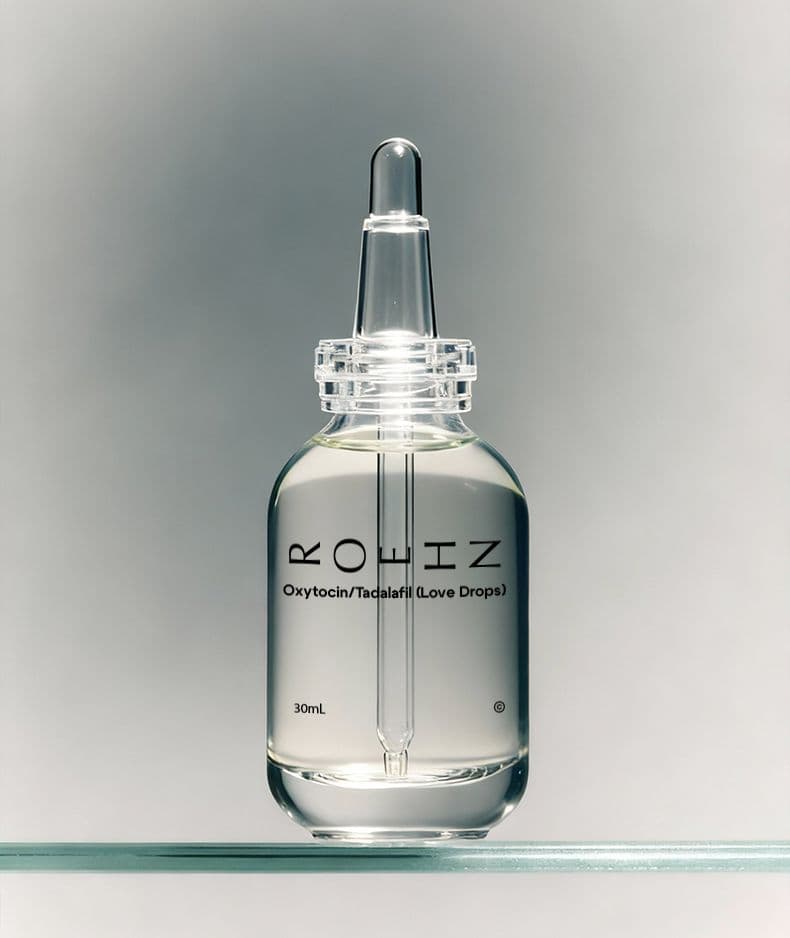
Love Drops
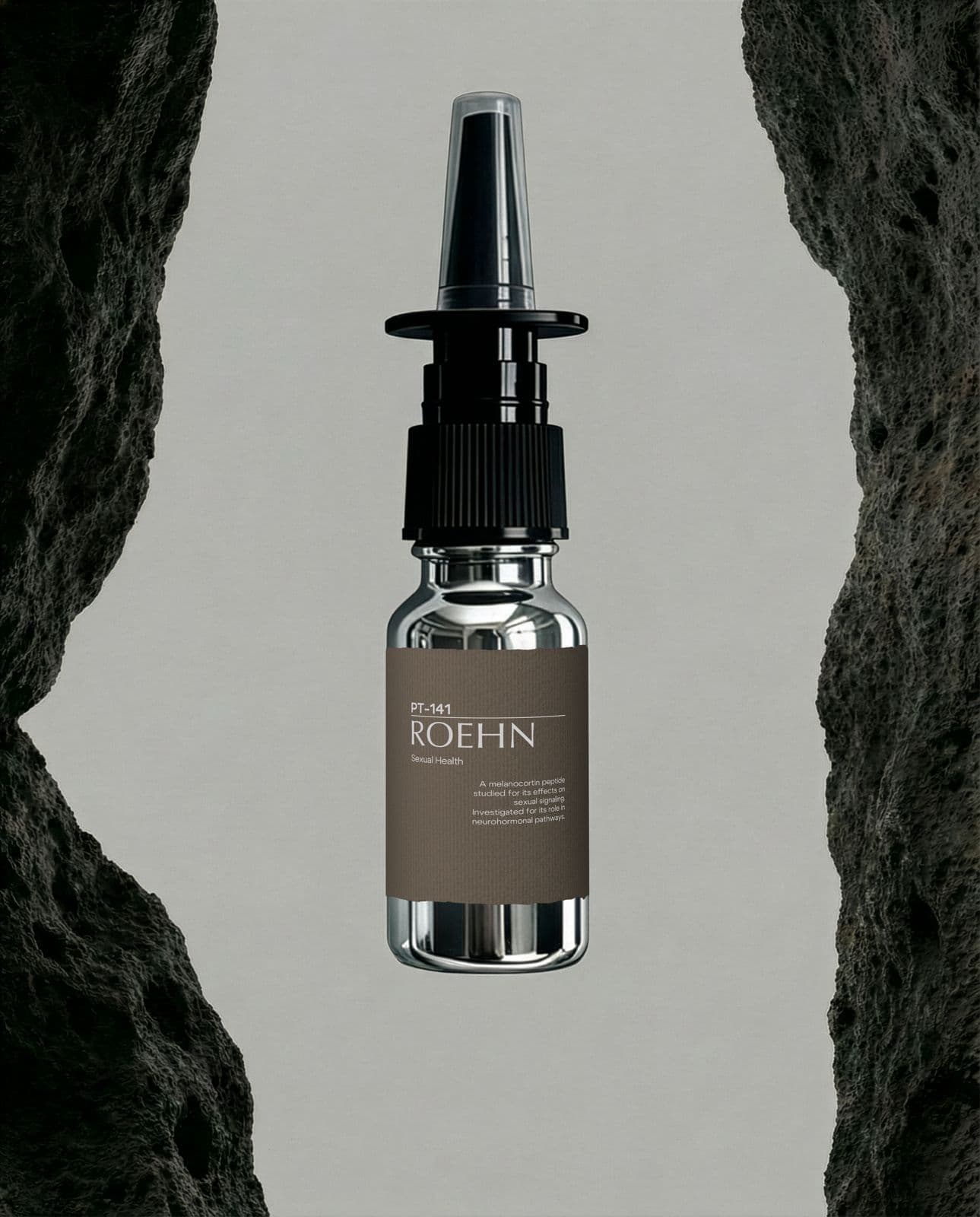
A proprietary nasal spray combining oxytocin and tadalafil for research into centrally-mediated intimacy pathways and peripheral vasodilation.
For research and laboratory use only. Not for human consumption.
Quantity
Add 1 more to save 10% per unit
Technical Data
Specifications
Technical Details
Bulk Pricing
Volume Pricing Guide
Quality Assurance
Certificate of Analysis
Certificate of Analysis
COA documentation is being prepared for this product.
Contact research@roehnrx.com for batch-specific testing data.
Research Overview
About Love Drops
Love Drops represents a novel dual-mechanism nasal formulation combining oxytocin — the endogenous neuropeptide central to pair bonding, social cognition, and hypothalamic-mediated arousal — with tadalafil, a selective PDE5 inhibitor that enhances peripheral vasodilation through cyclic GMP accumulation in vascular smooth muscle. The intranasal delivery route bypasses first-pass hepatic metabolism and provides direct access to central nervous system targets via olfactory and trigeminal nerve pathways, enabling rapid onset of oxytocin's prosocial and pro-intimacy effects.
The mechanistic rationale for this combination reflects converging research on the neurobiological and vascular dimensions of sexual function. Oxytocin modulates hypothalamic arousal circuitry, enhances emotional salience, and has been shown in preclinical models to facilitate erectile response through central parasympathetic activation. Tadalafil complements this central activity with peripheral vascular support, maintaining nitric oxide-mediated smooth muscle relaxation with a pharmacokinetic half-life of approximately 17.5 hours — significantly longer than other PDE5 inhibitors.
ROEHN formulates Love Drops as a precisely metered nasal spray, ensuring consistent dosing across administrations. Both active components are verified to 98% HPLC purity. This formulation is designed for research protocols investigating the synergistic interaction between central neuropeptide signaling and peripheral hemodynamic modulation in intimacy and sexual function models.